TMJ Therapy
Supporting your jaw, face and body with greater ease
Your jaw does a lot of work throughout the day. From talking and chewing to concentrating and responding to stress, it can sometimes carry more tension than we realise.
Clenching, muscle tension and restricted jaw movement can affect more than just the jaw itself. You may also notice discomfort through your face, temples, head or neck.
TMJ therapy at Remedied is a personalised remedial treatment designed to address these areas, helping to ease muscular tension, support comfortable movement and encourage a greater sense of ease.
As with all treatments at Remedied, the approach is guided by your individual needs, with kindness, respect and care.
-
The temporomandibular joints (TMJs) connect your lower jaw to your skull, allowing you to speak, chew and move your jaw. The surrounding muscles and connective tissues also play an important role in how your jaw functions.
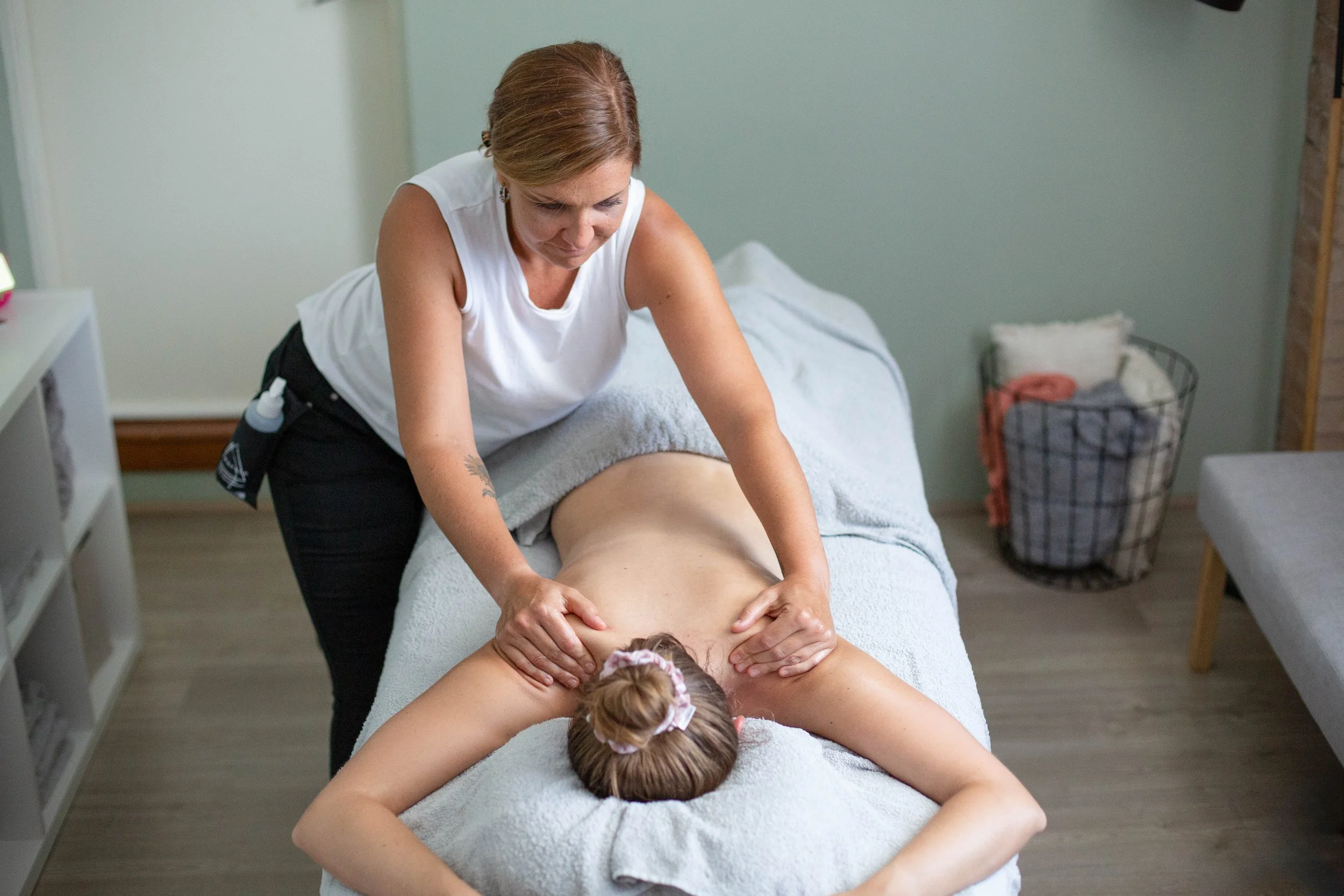
TMJ therapy uses targeted remedial massage and soft-tissue techniques to address tension and discomfort around the jaw, face, head and neck. Treatment is tailored to your presentation and may include both direct and indirect techniques to support more comfortable movement.
Where appropriate, intraoral techniques may also be offered. These involve working gently inside the mouth with a gloved finger to access certain muscles and tissues that cannot be reached directly from the outside.
Intraoral treatment is always optional and will only be performed with your informed consent.
-
TMJ therapy may be suitable for people experiencing:
Jaw tension, discomfort or muscle tenderness
Jaw clenching or teeth grinding
Tightness through the face, temples or neck
Headaches that may be associated with jaw muscle tension
Restricted or uncomfortable jaw movement
Facial muscle fatigue or tension associated with daily habits and stress
Jaw pain and related symptoms can have several contributing factors. TMJ therapy may form part of a broader approach to care, alongside dental, medical or other appropriate treatment when needed.
If you have persistent, severe or unexplained symptoms, a dental or medical assessment may be an important first step.
-
Your comfort, safety and sense of control are always priorities.
We’ll begin by discussing your concerns, relevant health history and what you would like help with. This gives us an opportunity to determine whether treatment is appropriate and agree on an approach that feels right for you.
Treatment may include remedial massage and soft-tissue techniques to the jaw, face, scalp, head and neck. Depending on your needs, external techniques may be combined with intraoral treatment.
Before any intraoral work, I’ll explain what the technique involves and check that you understand and consent to proceeding. Medical-grade gloves will be worn, and I’ll work gently while checking in with you throughout.
You are always welcome to ask questions, request a change in pressure, pause or stop treatment at any time. Intraoral techniques are never compulsory, and we can discuss other options if you prefer not to receive them.
Some tenderness may occur when working with sensitive or tense tissues, but treatment should remain within your agreed comfort levels. We’ll communicate throughout to make sure the approach feels appropriate for you.
-
Everyone responds differently to treatment. You may notice reduced tension, greater ease of movement or a sense of relaxation, although individual results and how long they last can vary.
Some people experience temporary tenderness or increased awareness of the treated muscles over the following day or two. Mild facial redness may also occur and should settle. Treatment can be adapted to help minimise discomfort where appropriate.
If you experience unexpected symptoms or have concerns after your appointment, please get in touch. Significant or worsening symptoms should be assessed by an appropriate health professional.
-
Intraoral techniques aren't suitable for everyone or every appointment. Depending on your circumstances, we may modify your treatment, use external techniques only or recommend that you seek advice before proceeding.
Please let me know before your appointment if you currently have, or have recently experienced:
An active viral or bacterial infection
Cold sores, mouth ulcers or other oral infections
Recent dental surgery or tooth extractions
Loose teeth or concerns relating to dental implants
Significant gum disease or bleeding
Recent facial trauma
Any other oral or dental concern that could make treatment uncomfortable or unsafe
Please also share any relevant health or dental conditions, recent procedures, changes in your symptoms or concerns you may have. We can discuss whether treatment is appropriate and whether further assessment is needed.
-
TMJ therapy isn't about forcing your jaw to relax or treating every person in the same way. It's about understanding your individual experience and working with your body, using appropriate techniques and adjusting treatment to your needs.
Where helpful, we can also discuss simple ways to build awareness of jaw tension and support your care between appointments.
If you're experiencing jaw tension or discomfort and would like to explore whether TMJ therapy is right for you, you're welcome to get in touch or book an appointment.
Remedied — a place to slow down, reconnect and restore.